
What Is the Process for Buying a Home in Tucson AZ?
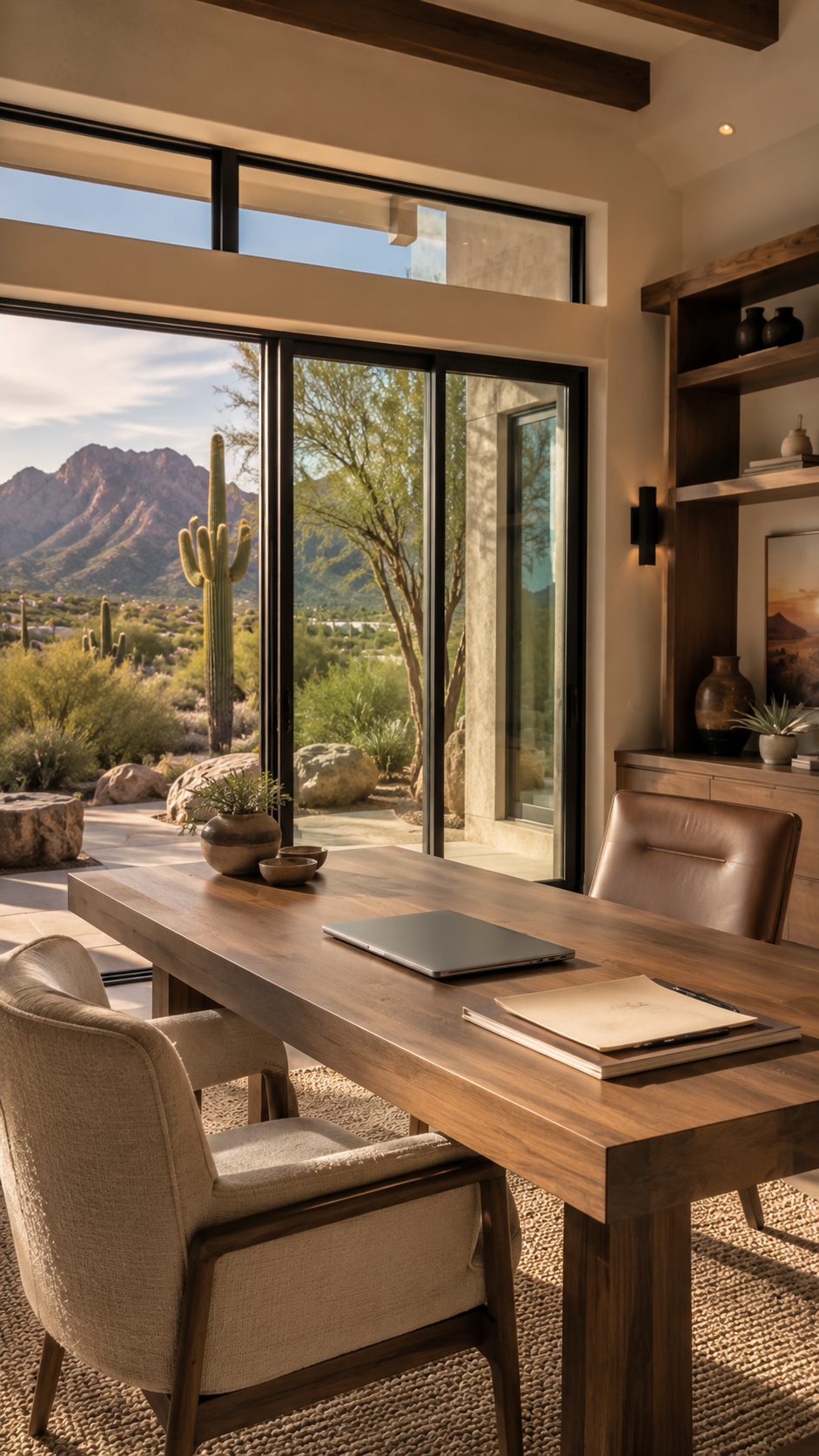
Buying a home in Tucson is very different from simply browsing homes online and picking one you like. The real process involves financing, inspections, negotiations, escrow, title work, and understanding Arizona specific contract timelines that can affect both your money and your ability to close successfully.
Whether you are buying your first home, relocating to Arizona, or purchasing a luxury property in the Tucson Foothills, understanding how the process actually works can help you avoid expensive mistakes and reduce stress throughout the transaction.
In this guide, we break down the full Tucson home buying process step by step so you know exactly what to expect from pre-approval all the way to getting the keys on closing day.
Step 1: Get Pre-Approved Before Looking at Homes
The first step in buying a home in Tucson is getting pre-approved with a lender before seriously shopping for properties.
A pre-approval helps buyers understand:
• How much they can afford
• Estimated monthly payments
• Loan program options
• Required down payment amounts
• Estimated cash needed to close
In Tucson, most sellers expect buyers to submit a pre-approval letter with their offer. Without one, sellers may not consider the offer seriously, especially in competitive situations.
What Lenders Review During Pre-Approval
Lenders evaluate several parts of a buyer’s financial profile before issuing a pre-approval.
This commonly includes:
• Income and employment history
• Credit score
• Monthly debt obligations
• Available savings and assets
• Down payment funds
• Recent financial activity
The lender then determines what type of loan programs the buyer may qualify for.
Common Arizona Loan Programs
Different buyers qualify for different financing programs depending on income, credit, and down payment amount.
Common loan types include:
• Conventional loans
• FHA loans
• VA loans
• USDA loans
• Jumbo loans
Luxury buyers in Tucson may need jumbo financing depending on the price point and loan size.
Why Pre-Approval Matters So Much
Many buyers start searching online before understanding their actual budget. That often creates frustration later when monthly payments, taxes, insurance, and HOA fees are calculated.
Getting pre-approved early helps buyers:
• Shop realistically
• Move quickly when the right home appears
• Strengthen their negotiating position
• Avoid financing surprises during escrow
• Understand total monthly housing costs
Buyers should also avoid making major financial changes after pre-approval because lenders continue reviewing finances during the transaction.
Common mistakes include:
• Opening new credit cards
• Financing a vehicle
• Changing jobs
• Missing payments
• Making large unexplained deposits
Those issues can delay or even prevent final loan approval later in escrow.
Step 2: Start Touring Homes in Tucson
Once buyers are pre-approved, the next step is touring homes that match their budget, lifestyle, and long-term goals.
This is where buyers begin narrowing down:
• Neighborhoods
• Home styles
• Commute preferences
• School districts
• HOA communities
• Lot sizes
• Home age and condition
Many buyers change their priorities after seeing homes in person because online photos rarely show the full picture.
Tucson Neighborhoods Can Feel Very Different
One of the biggest surprises for buyers moving to Tucson is how different each area feels.
For example:
• Catalina Foothills offers luxury homes, mountain views, and custom properties
• Oro Valley often attracts buyers looking for newer homes and master planned communities
• Central Tucson has more historic neighborhoods and older homes
• Vail is popular for newer construction and larger lots
• Marana continues to grow with new developments and golf communities
Location often affects:
• Pricing
• Property taxes
• HOA costs
• Commute times
• Home styles
• Resale potential
That is why many buyers spend time exploring several parts of Tucson before making a decision.
What Buyers Should Pay Attention to During Tours
Touring homes is not just about finishes and staging.
Buyers should also evaluate:
• Roof age and condition
• HVAC system age
• Window quality
• Signs of water intrusion
• Floorplan functionality
• Natural light
• Noise levels
• Nearby traffic
• Neighboring properties
• Future maintenance needs
In Tucson specifically, buyers should pay close attention to how homes handle desert heat and sun exposure.
Older homes may have aging HVAC systems, roof coating issues, or outdated windows that affect future costs.
HOA Communities and Restrictions
Many Tucson neighborhoods have homeowners associations.
Before buying, buyers should understand:
• Monthly HOA dues
• Rental restrictions
• Short-term rental rules
• Parking rules
• Exterior modification restrictions
• Community amenities
Luxury and gated communities often have stricter HOA requirements.
Reviewing HOA documents early helps buyers avoid surprises later during escrow.
Touring Luxury Homes in Tucson
Luxury home buyers often evaluate additional features during tours, including:
• View corridors
• Privacy
• Custom construction quality
• Smart home systems
• Guest houses or casitas
• Outdoor entertaining spaces
• Pool equipment
• Golf course location
• Elevation and lot positioning
Luxury buyers also tend to compare multiple communities before narrowing down their search.
Why Buyers Often Need Multiple Tours
Very few buyers purchase the first home they see.
Touring homes helps buyers refine:
• Their budget comfort level
• Desired neighborhoods
• Must-have features
• Deal breakers
• Long-term priorities
By the time buyers are ready to write an offer, they usually have a much clearer understanding of Tucson pricing, inventory, and value.
Step 3: Writing an Offer on a Tucson Home
Once buyers find the right home, the next step is preparing and submitting an offer to the seller.
The offer becomes the foundation of the transaction and outlines the major terms of the purchase.
This commonly includes:
• Purchase price
• Earnest money amount
• Financing terms
• Down payment amount
• Inspection contingency
• Appraisal contingency
• Closing timeline
• Seller concessions
• Included appliances or personal property
In Tucson, homes that are priced well can move quickly, especially in desirable neighborhoods or lower inventory markets.
What Happens After an Offer Is Submitted
After receiving the offer, the seller can:
• Accept the offer
• Reject the offer
• Counter the offer
• Accept another buyer’s offer
Negotiations are extremely common in Arizona real estate transactions.
Buyers and sellers often negotiate:
• Purchase price
• Closing costs
• Repair requests
• Possession timing
• Inspection timelines
• Included items
• Interest rate buy downs
The process can go back and forth multiple times before both sides agree on final terms.
Earnest Money and Why It Matters
Most Tucson purchase contracts include earnest money.
Earnest money is a deposit showing the buyer is serious about purchasing the property.
The amount varies, but many buyers deposit around 1% of the purchase price depending on the home and market conditions.
Once the contract is accepted:
• Escrow opens
• Earnest money is deposited
• Contract timelines officially begin
Earnest money is generally protected by contingencies during the early stages of the transaction.
Common Contingencies in Tucson Real Estate
Contingencies protect buyers during the escrow process.
Common contingencies include:
• Inspection contingency
• Financing contingency
• Appraisal contingency
• Sale of buyer’s home contingency
These contingency periods give buyers time to investigate the property, secure financing, and evaluate risks before fully committing to the purchase.
If buyers remove contingencies too early, they may lose important protections.
Multiple Offer Situations in Tucson
In competitive Tucson markets, buyers may compete against multiple offers.
When that happens, buyers may strengthen offers by:
• Increasing purchase price
• Increasing earnest money
• Shortening contingency timelines
• Offering flexible closing dates
• Reducing seller requests
• Using appraisal gap coverage
However, buyers should be careful not to overextend financially just to win a bidding war.
A strong offer is not always just the highest price. Sellers also value:
• Financing strength
• Buyer flexibility
• Faster timelines
• Fewer complications
• Higher certainty of closing
Why Strategy Matters When Writing Offers
Every Tucson market behaves differently depending on inventory levels, price range, and neighborhood demand.
For example:
• Luxury homes may involve longer negotiations
• Entry-level homes may receive multiple offers quickly
• New construction contracts operate differently from resale homes
• Homes needing repairs may create additional negotiation opportunities
Experienced local guidance becomes extremely important during this stage because contract structure can directly affect whether a buyer wins the home and whether the transaction stays together through closing.
Step 4: Escrow, Inspections, and Closing the Transaction
Once the seller accepts the offer, the transaction officially enters escrow.
This is the period where the buyer, seller, lender, title company, and agents work through all remaining contract requirements before ownership transfers to the buyer.
In Tucson, escrow periods commonly last about 25 to 35 days depending on financing and contract terms.
What Happens During Escrow
Several major steps happen during escrow at the same time.
This commonly includes:
• Earnest money being deposited
• Title work being completed
• Home inspections being scheduled
• Loan underwriting
• Appraisal ordering
• Insurance verification
• HOA document review
• Final lender approval
This stage is where most of the behind the scenes work happens in a real estate transaction.
Home Inspections Are Extremely Important
The inspection period is one of the most important parts of buying a home in Tucson.
Buyers often complete:
• General home inspections
• Roof inspections
• HVAC inspections
• Pool inspections
• Sewer inspections
• Termite inspections
Depending on the property, buyers may also inspect:
• Septic systems
• Wells
• Solar systems
• Structural concerns
• Drainage issues
Tucson homes experience significant heat exposure, so buyers should pay close attention to roofing materials, cooling systems, insulation, and deferred maintenance.
What Happens After Inspections
After inspections are completed, buyers generally have several options.
They can:
• Accept the home as-is
• Request repairs
• Request seller credits
• Renegotiate terms
• Cancel the contract if contingency deadlines allow
Inspection negotiations are common in Arizona transactions, especially with older homes.
Some sellers agree to repairs while others offer financial credits instead.
The Appraisal and Loan Approval Process
If the buyer is financing the home, the lender orders an appraisal during escrow.
The appraisal helps confirm the property value supports the loan amount.
At the same time, the lender continues reviewing:
• Employment
• Income
• Credit
• Bank statements
• Debt levels
• Title information
Buyers should avoid major financial changes during this stage because lenders continue monitoring finances until closing.
Common mistakes include:
• Opening new credit accounts
• Financing furniture or vehicles
• Large unexplained deposits
• Missing payments
• Changing employment
Those issues can delay or even stop final loan approval.
Final Walkthrough Before Closing
Shortly before closing, buyers complete a final walkthrough of the property.
The walkthrough is not another inspection.
Instead, buyers verify:
• The property is in agreed condition
• Negotiated repairs were completed
• Included items remain with the home
• No major damage occurred before closing
If problems are discovered, they are usually addressed before recording.
Signing Closing Documents and Getting the Keys
Near the end of escrow, buyers sign final loan and closing documents with the title or escrow company.
Buyers also wire their remaining funds needed for closing, including:
• Down payment funds
• Closing costs
• Prepaid taxes and insurance
Once the lender funds the loan and the county records the transaction, ownership officially transfers to the buyer.
At that point, the buyer receives:
• House keys
• Garage remotes
• Gate access devices
• HOA information
• Property access details
The home officially becomes theirs.
Step 5: Moving Into Your Tucson Home and What Happens After Closing
Closing day is not the end of the process. After the transaction records, buyers still have several important steps to complete as they transition into homeownership.
This is where buyers begin setting up utilities, maintaining the property, updating records, and preparing for long-term ownership responsibilities.
What Buyers Receive After Closing
Once the transaction officially records, buyers usually receive:
• House keys
• Garage remotes
• Gate access devices
• Mailbox information
• HOA contact information
• Alarm or smart home details
• Pool equipment instructions if applicable
Some sellers also leave behind appliance manuals, warranties, or service records.
Setting Up Utilities and Services
New homeowners should immediately transfer or establish utility accounts.
This commonly includes:
• Electricity
• Gas
• Water
• Sewer
• Trash service
• Internet and cable
• Security monitoring
In Tucson, buyers should also confirm irrigation systems, pool systems, and smart thermostats are functioning properly after moving in.
Understanding Maintenance in Tucson
Owning a home in Southern Arizona comes with unique maintenance considerations because of the desert climate.
Homeowners should regularly monitor:
• Roof coatings and roof condition
• HVAC performance
• Exterior paint and stucco
• Irrigation systems
• Pool equipment
• Window seals
• Landscaping and drainage
Extreme heat and sun exposure can accelerate wear on certain systems compared to other parts of the country.
HOA Rules and Community Requirements
If the property is located in an HOA community, buyers should become familiar with community rules shortly after closing.
This may include:
• Parking restrictions
• Landscaping requirements
• Exterior modification rules
• Rental restrictions
• Trash collection schedules
• Community amenities and access
Failing to follow HOA rules can result in fines or violations.
Property Taxes and Homeowner Exemptions
New Tucson homeowners should also understand how property taxes work after closing.
Depending on the property and occupancy plans, buyers may need to:
• Update mailing addresses
• Apply for homeowner exemptions if applicable
• Review tax assessments
• Understand future tax increases
Luxury properties and second homes may have different tax implications depending on ownership structure and occupancy.
Why Long-Term Planning Matters
Many buyers focus entirely on getting through escrow but forget to plan for long-term ownership costs.
Beyond the mortgage payment, homeowners should budget for:
• Routine maintenance
• Repairs and replacements
• HOA dues
• Property taxes
• Insurance increases
• Landscaping and pool maintenance
• HVAC servicing
Understanding the true cost of ownership helps buyers avoid financial stress after moving in.
The Tucson Buying Process Is About More Than Just Finding a House
Buying a home in Tucson involves financing, negotiations, inspections, escrow coordination, and long-term ownership planning.
Every step matters.
Buyers who understand the process early typically make better decisions, avoid common mistakes, and experience a much smoother transaction from start to finish.
Step 6: Common Mistakes Tucson Home Buyers Make
Many Tucson buyers focus only on finding the right house and underestimate how many moving parts exist during a real estate transaction.
Even good homes can become stressful purchases when buyers are unprepared for financing, inspections, timelines, or ownership costs.
Understanding the most common mistakes ahead of time can help buyers avoid expensive problems later.
Shopping Before Understanding the Budget
One of the biggest mistakes buyers make is looking at homes before fully understanding their financial comfort zone.
Many buyers focus only on purchase price and forget about:
• Property taxes
• Homeowners insurance
• HOA dues
• Utility costs
• Maintenance expenses
• Closing costs
A home that looks affordable online can feel very different once total monthly ownership costs are calculated.
Falling in Love With the Wrong Home Too Early
It is common for buyers to become emotionally attached to the first home they like.
That can create problems when buyers:
• Ignore inspection concerns
• Overpay during negotiations
• Waive important contingencies
• Stretch beyond their comfort level
Tucson always has new inventory coming to market. Buyers should stay focused on long-term value and affordability instead of making emotional decisions.
Underestimating Inspection Issues
Arizona homes face extreme sun and heat exposure which can accelerate wear on certain systems.
Buyers sometimes underestimate issues involving:
• Roofs
• HVAC systems
• Pool equipment
• Windows
• Irrigation systems
• Stucco cracking
• Deferred maintenance
Even homes that appear visually clean may have expensive underlying issues.
That is why inspections are so important during the escrow process.
Waiving Protections Too Quickly
In competitive markets, buyers sometimes remove contingencies too aggressively to strengthen offers.
That may include:
• Waiving inspections
• Waiving appraisal protections
• Shortening contingency timelines excessively
While aggressive offers can sometimes help buyers win homes, they also increase risk significantly.
Buyers should fully understand the financial consequences before removing important protections.
Ignoring HOA Rules and Restrictions
Many Tucson communities have homeowners associations with detailed rules.
Buyers sometimes fail to review:
• Rental restrictions
• Parking rules
• Exterior modification limitations
• Short-term rental policies
• Pet restrictions
Those rules can directly affect how buyers use the property after closing.
Making Financial Changes During Escrow
Lenders continue reviewing buyer finances throughout escrow.
Some buyers accidentally create loan problems by:
• Financing furniture
• Opening new credit accounts
• Buying vehicles
• Moving money between accounts improperly
• Changing jobs during escrow
Even small financial changes can affect final loan approval.
Why Local Guidance Matters
Tucson real estate varies dramatically depending on:
• Neighborhood
• Home age
• Construction style
• HOA structure
• Lot type
• Elevation
• Luxury vs non-luxury market segments
Buyers who work with experienced local professionals usually avoid many of the most common transaction mistakes because they understand what issues to anticipate before problems appear.
Step 7: Why the Tucson Market Can Change the Entire Buying Process
The process of buying a home in Tucson can feel very different depending on current market conditions.
Some markets strongly favor buyers while others heavily favor sellers.
Inventory levels, interest rates, seasonality, and competition all affect how buyers should approach the transaction.
Buyer’s Markets vs Seller’s Markets
In a seller’s market, inventory is low and demand is high.
Homes may:
• Sell quickly
• Receive multiple offers
• Sell above asking price
• Require aggressive negotiation strategies
In a buyer’s market, inventory increases and buyers often gain more leverage.
That can create opportunities for:
• Price reductions
• Seller concessions
• Repair negotiations
• Longer contingency periods
• Interest rate buy downs
Understanding current Tucson market conditions helps buyers structure stronger offers and set realistic expectations.
Tucson Inventory Can Shift by Price Range
Not every price range behaves the same way.
For example:
• Entry-level homes may remain highly competitive
• Mid-range homes may see balanced activity
• Luxury homes may take longer to sell
• New construction inventory may fluctuate differently than resale inventory
Buyers should avoid assuming the entire Tucson market operates the same way across all price points.
Interest Rates Affect Buying Power
Mortgage rates directly impact affordability.
Even small interest rate changes can affect:
• Monthly payments
• Maximum purchase price
• Debt-to-income ratios
• Overall borrowing costs
When rates rise, buyers sometimes need to:
• Lower their budget
• Increase their down payment
• Explore different loan programs
• Negotiate seller concessions
Many buyers focus only on home prices and underestimate how much financing costs affect long-term affordability.
Seasonal Trends in Tucson Real Estate
Tucson real estate activity often changes seasonally.
For example:
• Winter can attract seasonal and relocation buyers
• Spring often brings increased inventory
• Summer may slow slightly because of heat
• Fall can create opportunities for motivated sellers
Luxury and second-home markets can also follow different seasonal patterns than primary residence markets.
Relocation Buyers Face Additional Challenges
Many Tucson buyers relocate from other states including Washington, California, Colorado, and Illinois.
Relocation buyers often face additional considerations including:
• Timing the sale of another home
• Coordinating long-distance moves
• Understanding Arizona taxes and insurance
• Learning Tucson neighborhoods quickly
• Adjusting expectations around desert living
Buyers moving from cooler climates are often surprised by:
• Utility costs during summer
• Pool maintenance
• Sun exposure on homes
• Monsoon weather patterns
• HOA prevalence in newer communities
Why Flexibility Is Important During the Process
Very few real estate transactions go perfectly according to plan.
Delays can happen involving:
• Financing
• Appraisals
• Inspections
• Title work
• Repairs
• Moving logistics
Buyers who stay flexible and solution-oriented usually experience less stress throughout the process.
The goal is not just getting under contract. The goal is successfully getting to closing with the right home at the right terms for your long-term financial goals.
Step 8: New Construction vs Resale Homes in Tucson
One of the biggest decisions Tucson buyers make is whether to purchase a resale home or new construction.
Both options have advantages, disadvantages, and very different buying experiences.
Understanding the differences helps buyers choose the right fit for their budget, lifestyle, and long-term goals.
Buying a Resale Home in Tucson
Resale homes are properties that have already been owned and lived in.
These homes are often located in:
• Established neighborhoods
• Central Tucson areas
• Older communities
• Mature landscaping developments
• Custom home neighborhoods
Many buyers prefer resale homes because they may offer:
• Larger lots
• Mature trees and landscaping
• More character and architecture
• Better established locations
• Lower HOA fees in some areas
However, resale homes may also involve:
• Older roofs
• Aging HVAC systems
• Deferred maintenance
• Outdated interiors
• More inspection concerns
Inspection negotiations are more common with resale properties because systems and components have already experienced wear over time.
Buying New Construction in Tucson
New construction homes are often located in growing areas such as:
• Marana
• Vail
• Oro Valley
• Southeast Tucson
Many builders offer:
• Modern floorplans
• Energy efficiency
• Builder warranties
• Smart home technology
• Lower maintenance expectations initially
Buyers also may have opportunities to select:
• Flooring
• Cabinets
• Countertops
• Paint colors
• Structural upgrades
However, buyers should understand that base pricing often increases significantly once upgrades are added.
Common Misunderstandings About New Construction
Many buyers assume new construction means fewer problems, but inspections are still extremely important.
Even new homes can have issues involving:
• Roofing
• HVAC installation
• Plumbing
• Electrical work
• Grading and drainage
• Cosmetic workmanship
Independent inspections during construction and before closing can help identify problems early.
Builder Contracts Are Different
New construction contracts usually favor the builder more heavily than traditional resale contracts.
Builders often control:
• Contract timelines
• Deposit structures
• Change order policies
• Closing dates
• Preferred lenders and title companies
Buyers should carefully review all builder documents before signing.
Timing Differences Between Resale and New Construction
Resale transactions often close within 30 to 45 days.
New construction timelines can vary significantly depending on:
• Construction stage
• Permit timelines
• Material delays
• Labor availability
• Builder scheduling
Some new construction homes are move-in ready while others may take many months to complete.
Which Option Is Better?
There is no universal answer.
Some buyers prioritize:
• Location and character
• Established neighborhoods
• Larger lots
• Custom architecture
Others prioritize:
• Modern finishes
• Energy efficiency
• Lower maintenance
• Builder warranties
The right choice depends on the buyer’s priorities, budget, and long-term plans.
Both resale and new construction homes can be excellent purchases when buyers understand the differences before entering escrow.
Step 9: Understanding Closing Costs When Buying a Home in Tucson
Many Tucson buyers focus heavily on the down payment but underestimate the additional costs involved in closing the transaction.
Closing costs are the fees and expenses paid during escrow to finalize the purchase and transfer ownership of the property.
These costs are separate from the down payment.
Common Buyer Closing Costs in Tucson
Buyer closing costs often include:
• Loan origination fees
• Appraisal fees
• Credit report fees
• Title insurance
• Escrow fees
• Recording fees
• Homeowners insurance
• Prepaid property taxes
• Prepaid interest
• HOA transfer fees
The exact amount depends on:
• Purchase price
• Loan type
• Down payment amount
• Interest rate
• HOA requirements
• Insurance costs
How Much Are Closing Costs Usually?
In many cases, Tucson buyers should expect closing costs to range somewhere around 2% to 5% of the purchase price depending on financing and prepaid expenses.
For example:
• A lower down payment loan may involve higher lender costs or mortgage insurance
• A cash buyer may have fewer lender-related expenses
• Luxury homes may involve higher title and escrow fees because of price point
The lender usually provides estimated closing costs early during the financing process.
Prepaid Costs vs Actual Fees
One area that confuses many buyers is the difference between actual closing fees and prepaid expenses.
Some costs are true transaction fees while others are future expenses collected upfront.
Prepaid costs commonly include:
• Homeowners insurance
• Property taxes
• Mortgage interest
• Escrow account reserves
These prepaid items are not additional “junk fees.” They are future housing expenses collected in advance at closing.
Can Sellers Help Pay Closing Costs?
In some Tucson market conditions, buyers may negotiate seller concessions to help reduce upfront cash requirements.
Seller concessions can sometimes help cover:
• Loan costs
• Title fees
• Interest rate buy downs
• Prepaid expenses
However, seller concessions are influenced heavily by market conditions.
In highly competitive seller’s markets, buyers may receive fewer concessions.
Why Buyers Need Cash Beyond the Down Payment
One of the biggest surprises for first-time buyers is realizing they need funds beyond the down payment itself.
Buyers should prepare for:
• Earnest money deposits
• Closing costs
• Moving expenses
• Utility setup costs
• Initial repairs or maintenance
• Furniture and appliances
Proper financial planning helps buyers avoid unnecessary stress during escrow.
Reviewing the Final Closing Disclosure
Before closing, buyers receive a Closing Disclosure outlining the final financial numbers for the transaction.
This document summarizes:
• Loan terms
• Interest rate
• Monthly payment
• Closing costs
• Cash required to close
Buyers should review these numbers carefully with their lender and agent before signing final documents.
Why Closing Cost Planning Matters
Understanding closing costs early helps buyers:
• Budget accurately
• Avoid financial surprises
• Compare loan options properly
• Negotiate more effectively
• Prepare cash reserves after closing
The goal is not just qualifying for the mortgage. The goal is comfortably affording the entire purchase process and long-term ownership afterward.
Step 10: Why Working With the Right Tucson Real Estate Agent Matters
Many buyers underestimate how much guidance, negotiation strategy, and transaction management are required during a real estate purchase.
Buying a home involves far more than simply unlocking doors and writing paperwork.
An experienced Tucson real estate agent helps buyers navigate:
• Pricing strategy
• Market conditions
• Contract negotiations
• Inspection issues
• Financing timelines
• Escrow coordination
• Title concerns
• Closing preparation
The right guidance can help buyers avoid costly mistakes throughout the process.
Local Knowledge Matters in Tucson
Tucson is not a one-size-fits-all market.
Different neighborhoods can vary dramatically in:
• Home age
• Construction quality
• HOA structures
• Floodplain concerns
• Septic and well systems
• Property taxes
• Luxury market dynamics
A local agent helps buyers understand how these factors affect both the purchase decision and future resale value.
Understanding Property Condition and Risk
Experienced Tucson agents often help buyers identify potential concerns before inspections even begin.
This may include recognizing:
• Aging roofs
• Older HVAC systems
• Polybutylene plumbing
• Foundation cracking
• Drainage issues
• Deferred maintenance
• Poor remodel quality
• Solar lease complications
That early guidance can help buyers avoid expensive surprises later during escrow.
Negotiation Strategy Is Extremely Important
Every transaction involves negotiation.
Buyers may need guidance negotiating:
• Purchase price
• Inspection repairs
• Seller concessions
• Appraisal issues
• Possession timing
• Multiple offer situations
Strong negotiation strategy becomes especially important in competitive Tucson markets where buyers may compete against several offers.
Managing the Transaction Timeline
One of the most valuable parts of a good agent is transaction management.
During escrow, there are many moving deadlines involving:
• Earnest money deposits
• Inspection periods
• Loan approvals
• Appraisal timelines
• HOA reviews
• Title work
• Final walkthroughs
• Signing appointments
Missing deadlines can create major problems or even jeopardize the transaction.
Why Communication Matters During Escrow
Real estate transactions can become stressful when buyers do not know what is happening next.
Strong agents help buyers stay informed throughout the process by explaining:
• Current timelines
• Upcoming deadlines
• Inspection findings
• Financing updates
• Closing expectations
Clear communication helps reduce uncertainty and keeps the transaction moving smoothly.
The Goal Is Not Just Buying a House
The goal is buying the right home at the right terms while protecting the buyer financially throughout the process.
A successful Tucson purchase involves:
• Understanding the market
• Structuring a strong offer
• Managing risk
• Completing inspections properly
• Navigating escrow successfully
• Preparing for long-term ownership
Buyers who understand the process and work with experienced local professionals usually make better decisions and experience far fewer surprises from contract to closing.
Bottom Line About Buying a Home in Tucson
Buying a home in Tucson involves much more than simply finding a property online and submitting an offer.
The process includes:
• Financing and pre-approval
• Touring neighborhoods and homes
• Negotiating contracts
• Completing inspections
• Managing escrow timelines
• Finalizing loan approval
• Understanding closing costs
• Preparing for long-term ownership
Every stage of the transaction can affect the buyer financially, both during escrow and long after closing.
Tucson Real Estate Is Highly Local
Different parts of Tucson can vary significantly in:
• Pricing
• Home styles
• HOA structures
• Property condition
• School districts
• Commute times
• Luxury market activity
• Long-term resale potential
That is why buyers benefit from understanding not just the home itself, but the surrounding area and market conditions as well.
Preparation Makes the Entire Process Easier
Buyers who prepare early typically experience a much smoother transaction.
That includes:
• Getting pre-approved early
• Understanding total monthly costs
• Reviewing neighborhoods carefully
• Planning for inspections and repairs
• Keeping finances stable during escrow
• Working with experienced local professionals
The more informed buyers are before making an offer, the fewer surprises they usually face later.
The Goal Is Long-Term Confidence
A successful home purchase is not just about getting under contract.
The real goal is:
• Buying the right home
• At the right price
• With manageable long-term costs
• While protecting yourself during the transaction process
For many buyers, purchasing a home in Tucson becomes one of the largest financial decisions they will ever make.
Understanding the process ahead of time helps buyers make smarter decisions, reduce stress, and move into homeownership with far more confidence.
FAQ
How long does it take to buy a home in Tucson?
Most Tucson home purchases take around 30 to 45 days from accepted offer to closing depending on financing, inspections, and appraisal timelines.
Do I need to get pre-approved before looking at homes?
Most buyers should get pre-approved before touring homes because sellers typically require a pre-approval letter when reviewing offers.
What inspections are common when buying a home in Tucson?
Common inspections include general home inspections, roof inspections, HVAC inspections, sewer inspections, pool inspections, and termite inspections.
How much earnest money do buyers usually deposit?
Earnest money amounts vary, but many Tucson buyers deposit around 1% of the purchase price depending on market conditions and financing terms.
Can buyers negotiate repairs after inspections?
Yes. Buyers commonly request repairs, credits, or price adjustments after inspections if issues are discovered during the inspection period.
How much are buyer closing costs in Tucson?
Buyer closing costs in Tucson commonly range between 2% and 5% of the purchase price depending on loan type, prepaid expenses, and financing structure.