
How to Buy a Home in Tucson
(What Buyers Get Wrong + How to Do It Right)
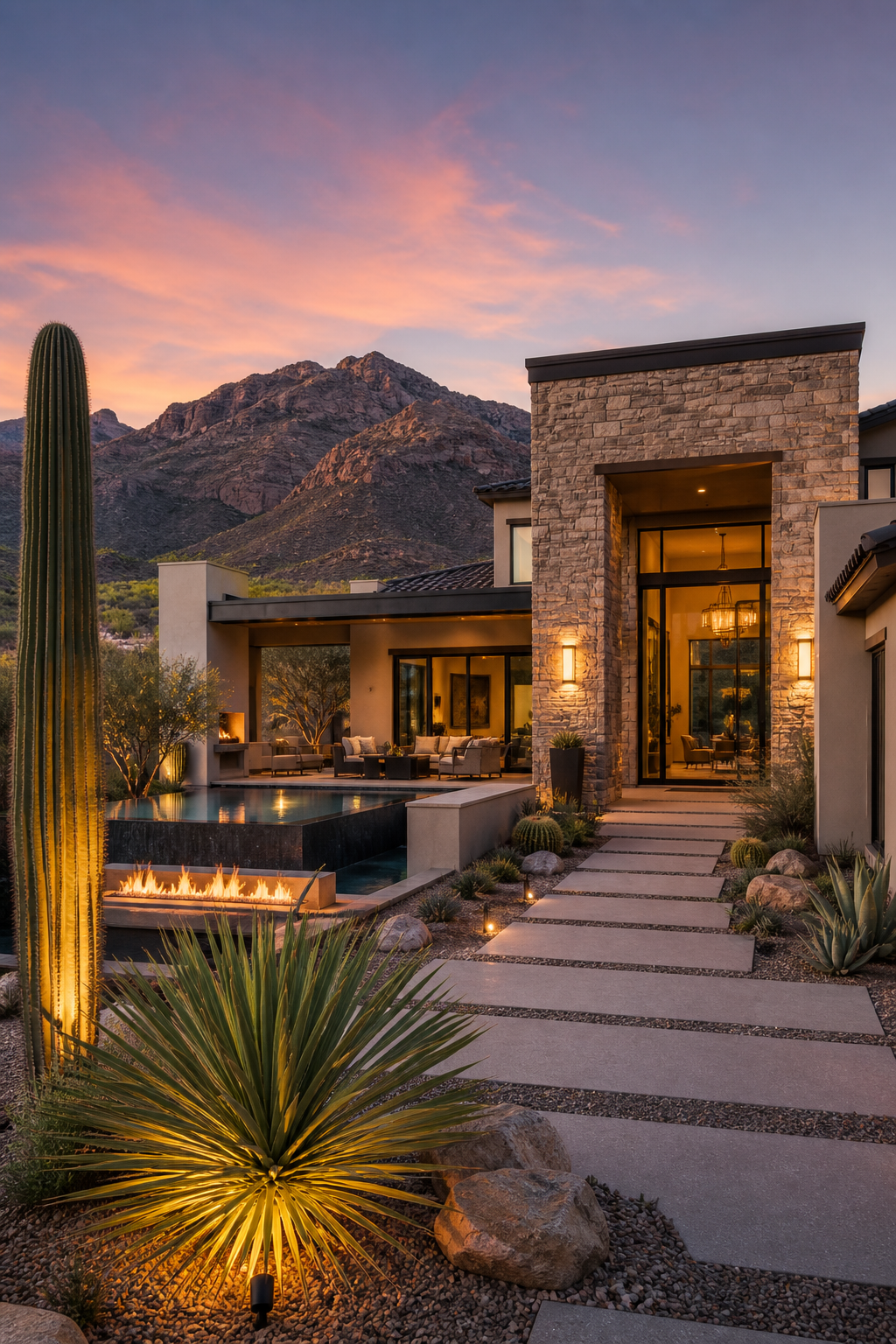
Buying a home in Tucson follows a structured process, but the outcome depends on the decisions you make at each step. From financing and home search to inspections and closing, each phase carries its own risks, timelines, and negotiation points.
Most buyers focus on finding a home. The better approach is understanding how the process works before you start, so you can make informed decisions, avoid common mistakes, and position yourself correctly when the right property comes up.
In Tucson specifically, factors like location, lot positioning, views, and surrounding development often matter just as much as the home itself. Two properties at the same price can have very different long-term value depending on these details.
Below is a step-by-step breakdown of how buying a home in Tucson actually works, what to expect at each stage, and where buyers tend to make costly mistakes.
Step 1: Get Pre-Approved
Before you start looking at homes, the first step is getting pre-approved with a lender.
This is not just a formality—it defines how competitive you are as a buyer and what you can realistically pursue.
A pre-approval will clarify:
your true price range based on income and debt
your estimated monthly payment
your loan type and terms
how strong your offer will appear to sellers
In Tucson, most sellers will not consider an offer without a pre-approval. In competitive situations, stronger financing often matters just as much as price.
Just as important, pre-approval helps you avoid wasting time. Without it, buyers often look at homes outside their actual range or move too slowly when the right property becomes available.
It also gives you a clear understanding of your cash position, including:
down payment
closing costs
reserves after closing
That clarity allows you to move quickly and confidently when you find the right home.
Step 2: Define What You’re Looking For
This is where most buyers make early mistakes—not because they don’t know what they want, but because they haven’t defined it clearly enough to make good decisions.
Before continuing your search, you need to get specific about:
location
price range
property type
must-haves vs nice-to-haves
In Tucson, location is not just about convenience—it directly impacts value, lifestyle, and long-term resale.
For example:
Catalina Foothills offers elevation, views, and privacy
Oro Valley tends to offer newer construction and planned communities
Marana often provides more space and newer development
Understanding how these areas differ helps you avoid comparing homes that aren’t truly equivalent.
What Actually Matters in Tucson
Unlike some markets, buyers here need to evaluate more than just the house itself.
Key factors include:
lot positioning – elevation, slope, and how the home sits on the land
views – mountain, city, or obstructed views can significantly impact value
orientation – sun exposure affects heat, natural light, and outdoor usability
privacy – neighboring homes, road noise, and sightlines
Two homes with similar square footage and finishes can have very different long-term value based on these details.
Narrowing Your Criteria
At this stage, your goal is not perfection—it’s clarity.
You should be able to answer:
What locations are you focused on?
What price range are you comfortable with monthly?
What are your non-negotiables?
Where are you flexible?
Buyers who skip this step tend to:
second-guess decisions
miss the right opportunities
or overpay for the wrong property
Why This Step Matters
Defining your criteria early allows you to:
move quickly when the right home appears
avoid decision fatigue
evaluate homes more objectively
stay consistent during negotiations
Without this clarity, the process becomes reactive instead of strategic.
Step 3: Start Touring Homes
Once you’ve defined your criteria, you can start touring homes—but this is not just about seeing properties. It’s about learning how to evaluate them correctly.
Most buyers walk into homes and focus on:
finishes
staging
layout
Those matter—but they are not what determines long-term value.
What to Pay Attention to When Touring
As you walk through homes, focus on the things you can’t easily change:
lot positioning – where the home sits on the property and surrounding terrain
views – mountain, city, or obstructed views
privacy – proximity to neighbors, sightlines, and road exposure
orientation – how the home faces the sun (important in Tucson heat)
surrounding properties – nearby homes, future development, and overall setting
These are the factors that impact:
long-term value
resale potential
daily livability
What Buyers Often Get Wrong
It’s easy to get distracted by:
updated kitchens
finishes and decor
staging and presentation
But those can be changed.
What cannot be changed:
the lot
the location
the view
the surrounding environment
Buyers who focus too much on cosmetic features often end up overpaying for homes with weaker long-term value.
Use Touring as a Learning Phase
Your first few showings are not about finding “the one”—they’re about refining your judgment.
As you tour:
compare homes within the same price range
notice what actually differentiates them
start identifying patterns in what holds value
This is how you move from:
“I like this house”
to:
“This is the right house for the right reasons”
When You Know You’re Ready to Act
You’re ready to make a move when:
your criteria is clear
you can evaluate homes quickly
you understand trade-offs
you recognize value when you see it
At that point, timing matters—and hesitation can cost you the right opportunity.
Step 4: Make an Offer
Once you’ve found the right home, the process shifts from evaluation to execution.
This is where most buyers make critical mistakes—not because they choose the wrong house, but because they structure the offer incorrectly.
In Tucson, the terms of your offer matter just as much as the price.
What an Offer Actually Includes
An offer is not just a number. It’s a complete package that defines:
purchase price
earnest money deposit
financing terms
inspection period
appraisal contingency
closing timeline
seller concessions (if any)
Each of these affects how strong—or risky—your offer is.
Earnest Money: Your First Real Commitment
Earnest money is your initial deposit, typically submitted shortly after your offer is accepted.
It serves two purposes:
shows the seller you’re serious
creates financial risk if you back out improperly
In Tucson, stronger earnest money often makes an offer more competitive—but it also increases your exposure if you don’t manage your contingencies correctly.
Contingencies: Where Deals Are Won or Lost
Contingencies are the conditions that allow you to move forward—or walk away.
The most important ones:
Inspection contingency → allows you to evaluate the property and request repairs
Financing contingency → protects you if your loan fails
Appraisal contingency → protects you if the home doesn’t appraise at value
Many buyers misunderstand this:
Removing contingencies makes your offer stronger—but also significantly increases your risk.
Price vs Terms (What Sellers Actually Care About)
Buyers tend to focus on price.
Sellers evaluate the entire offer.
Two offers at the same price can feel completely different depending on:
down payment strength
financing type
contingency structure
closing timeline
likelihood of closing
In competitive Tucson situations, a slightly lower price with stronger terms can win.
Timing Matters More Than You Think
Once a property hits the market:
strong homes move quickly
hesitation leads to missed opportunities
reactive buyers overpay or settle
This is why the earlier steps matter.
If you’ve done the work:
you recognize value faster
you make decisions confidently
you structure offers strategically
Common Buyer Mistakes at This Stage
Most issues happen here:
offering without fully understanding the contract
focusing only on price
waiving protections without understanding risk
reacting emotionally instead of strategically
This is where guidance matters most.
What Happens Next
Once your offer is accepted, you move into the contract phase:
inspections begin
deadlines start
contingencies are evaluated
negotiations continue
This is where the deal either comes together—or falls apart.
Step 5: Under Contract (Inspections, Deadlines, and Negotiation Reality)
Once your offer is accepted, the process shifts again—this is where the transaction becomes real.
You are now “under contract,” but the deal is not done.
This phase is where most contracts either move forward smoothly… or fall apart.
What “Under Contract” Actually Means
You and the seller have agreed to terms, but the sale is still conditional.
You now enter a timeline with strict deadlines tied to your contingencies:
inspection period
appraisal
loan approval
title review
closing preparation
Missing a deadline—or misunderstanding one—can change your leverage or eliminate your protections.
The Inspection Phase (Your Biggest Decision Point)
This is typically the first major step after mutual acceptance.
During the inspection period, you evaluate:
structural condition
roof, plumbing, electrical
HVAC systems
potential deferred maintenance
safety concerns
In Tucson, inspections often also include:
roof condition (heat exposure matters)
HVAC performance (critical in desert climate)
pool equipment (if applicable)
termite or pest activity
What Happens After the Inspection
You generally have three options:
Accept the property as-is
Request repairs or credits
Cancel the contract (within your contingency window)
This is where negotiation comes back into play.
The Reality of Repair Negotiations
Most buyers assume sellers will fix everything.
That’s not how it works.
In practice:
sellers are more likely to address major issues
minor or cosmetic items are often ignored
credits are often negotiated instead of repairs
The goal is not to create a perfect house—it’s to resolve meaningful risk.
Appraisal: The Value Check
If you’re financing, your lender will require an appraisal.
This determines whether the home supports the purchase price.
There are three outcomes:
appraises at value → move forward
appraises above → no issue
appraises below → negotiation or restructuring
Low appraisals can force:
price reductions
increased down payment
or contract termination
Financing and Loan Approval
At the same time, your lender is finalizing your loan.
This includes:
underwriting review
income and asset verification
final loan approval
Important:
Your financial situation must remain stable during this period.
Common mistakes:
changing jobs
making large purchases
opening new credit accounts
These can impact your ability to close.
Title and Escrow
While inspections and financing are happening, the title and escrow process is also underway.
This includes:
verifying clear ownership
checking for liens or encumbrances
preparing closing documents
This part is mostly behind the scenes—but critical.
Deadlines Matter More Than Most Buyers Realize
Every step in this phase is tied to a deadline.
If you:
don’t respond in time
don’t request repairs properly
don’t act within contingencies
You can:
lose negotiating leverage
waive protections
or risk your earnest money
Why Deals Fall Apart Here
Most failed transactions don’t fail at the offer stage.
They fail here.
Common reasons:
inspection issues
appraisal gaps
financing problems
unrealistic expectations from either side
What Success Looks Like
A smooth contract phase means:
issues are identified early
negotiations are handled strategically
deadlines are managed correctly
both parties stay aligned
At that point, the deal transitions into final preparation for closing.
Step 6: Closing on a Home in Tucson (What Actually Happens at the Finish Line)
Closing is the final step—but it’s not just a formality.
This is where the transaction becomes official, funds are transferred, and ownership changes hands.
If everything has been handled correctly up to this point, closing is straightforward.
If not, this is where issues surface.
What “Closing” Actually Means
Closing is the process where:
your loan is finalized and funded
documents are signed
ownership is legally transferred
the transaction is recorded with the county
In Arizona, closing typically happens through a title company, not an attorney.
Final Steps Before Closing
In the days leading up to closing, several things happen simultaneously:
1. Final Loan Approval
Your lender issues a Clear to Close, meaning:
underwriting is complete
all conditions are satisfied
the loan is ready to fund
2. Closing Disclosure (CD)
You’ll receive a Closing Disclosure outlining:
your final loan terms
exact cash needed to close
closing costs and fees
You should review this carefully—this is the final version of your numbers.
3. Final Walkthrough
This usually happens shortly before closing.
The goal is to confirm:
the property is in the agreed condition
any negotiated repairs are completed
no new damage has occurred
included items are still in place
This is not another inspection—it’s a verification step.
Signing Day
Most buyers expect this to feel like a major event.
In reality, it’s a structured paperwork process.
You’ll sign:
loan documents
settlement statements
title documents
In many cases, this can be done:
in person at the title company
or remotely with a mobile notary
Funding and Recording
After signing:
Your lender wires funds
Your down payment is delivered to escrow
The title company records the transaction with the county
Once recording is complete:
👉 The home is officially yours
When Do You Get the Keys?
In most Tucson transactions:
possession happens at recording
you receive keys the same day
However, this can vary if negotiated differently in the contract.
What Can Still Go Wrong at Closing
Most deals that reach this point close—but issues can still happen:
last-minute lender conditions
delays in wire transfers
title issues
signing errors
These are usually solvable—but they can delay closing.
What a Smooth Closing Looks Like
A clean closing means:
financing was handled correctly early
no surprises in underwriting
inspections and negotiations were resolved properly
all parties stayed aligned
At that point, closing becomes a process—not a problem.
The Bigger Picture
By the time you close, you’ve moved through:
Financing
Search and evaluation
Offer strategy
Contract negotiation
Inspections and contingencies
Final closing process
Each step builds on the previous one.
Most buyer mistakes don’t happen at closing—they happen earlier, and show up here.
What Most Tucson Home Buyers Get Wrong (And How to Avoid It)
By the time buyers reach the end of the process, most realize something:
The biggest mistakes weren’t random—they were predictable.
They happen at the same points, for the same reasons, over and over again.
If you understand where buyers go wrong, you can avoid most of the problems before they happen.
Mistake #1: Focusing on the House Instead of the Location
Buyers naturally focus on:
finishes
upgrades
layout
how the home “feels”
But in Tucson, long-term value is driven more by:
lot positioning
views
surrounding development
privacy
orientation to the sun
Two similar homes can perform very differently over time based on these factors.
What to do instead:
Evaluate the property beyond the house itself. You can change the interior—you cannot change the lot or location.
Mistake #2: Not Understanding the Process Before Starting
Many buyers jump straight into showings without understanding:
how offers work
what contingencies actually do
how timelines affect their decisions
This leads to:
hesitation when it matters
poor offer structure
reactive decisions under pressure
What to do instead:
Understand the full process upfront so you can move confidently when the right opportunity appears.
Mistake #3: Waiting Too Long to Act
In Tucson, desirable homes don’t sit.
Buyers who:
second-guess decisions
wait for “something better”
hesitate on strong opportunities
often miss the right property entirely.
Mistake #4: Overpaying for the Wrong Reasons
Some buyers stretch their budget based on:
staging and presentation
emotional reactions
competition with other buyers
Instead of:
actual property value
long-term resale potential
objective comparisons
What to do instead:
Stay grounded in value. The goal is not to win the house—it’s to buy the right one.
Mistake #5: Misunderstanding Inspections and Repairs
Buyers often expect:
a perfect inspection report
sellers to fix everything
In reality:
every home has issues
negotiations focus on material concerns
credits are often more realistic than repairs
What to do instead:
Use inspections to identify risk—not to create a perfect house.
Mistake #6: Making Financial Changes During the Transaction
This is one of the most common—and avoidable—problems.
Buyers sometimes:
finance a car
open new credit accounts
make large purchases
during the transaction.
This can directly impact loan approval.
What to do instead:
Keep your financial situation stable from contract to closing.
Mistake #7: Not Managing Deadlines Properly
Every step of the transaction is tied to deadlines.
Missing them can mean:
losing negotiation leverage
waiving contingencies
risking earnest money
What to do instead:
Stay organized and understand your timeline at every stage.
Frequently Asked Questions
What is the first step to buying a home in Tucson?
The first step is getting pre-approved with a lender. Pre-approval clarifies your price range, monthly payment, cash needed to close, and how competitive your offer will appear to sellers.
Why does location matter so much when buying in Tucson?
In Tucson, location affects more than convenience. Lot positioning, mountain views, privacy, sun orientation, and surrounding development can all impact long-term value and daily livability.
What should buyers look for when touring homes in Tucson?
Buyers should look beyond finishes and staging. The most important factors are often the ones that cannot be changed, including the lot, view, privacy, orientation, neighborhood setting, and proximity to future development.
What makes an offer strong in the Tucson market?
A strong offer is not just about price. Sellers also evaluate financing strength, earnest money, inspection terms, appraisal risk, closing timeline, and the likelihood that the buyer can close without problems.
What happens after an offer is accepted?
Once an offer is accepted, the buyer enters the contract phase. Inspections, appraisal, loan approval, title review, repair negotiations, and closing preparation all happen on specific timelines.
What are common mistakes Tucson home buyers make?
Common mistakes include focusing only on the house instead of the location, waiting too long to act, misunderstanding inspections, changing finances during the transaction, and missing important contract deadlines.
When does a buyer get the keys in Tucson?
In most Tucson transactions, possession occurs after closing and recording are complete, unless the contract states otherwise. Once the transaction records, the buyer typically receives the keys.