
How Much Are Closing Costs in Tucson? Buyer & Seller Cost Breakdown
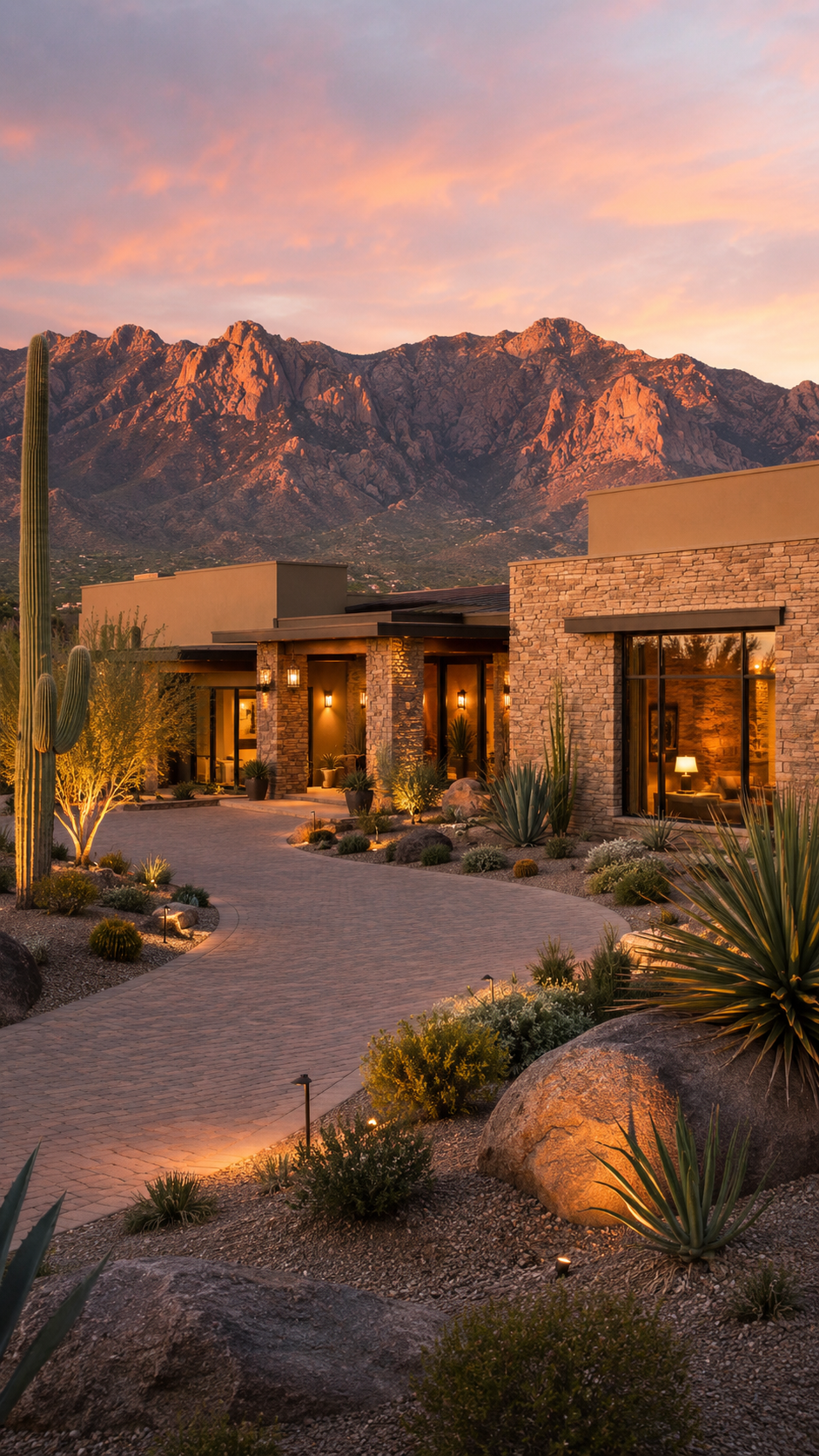
Closing costs in Tucson typically range from 2% to 5% of the purchase price for buyers and about 6% to 10% for sellers depending on commissions, title fees, loan costs, taxes, and negotiated expenses.
The exact amount depends on:
the loan type
purchase price
which costs each party agrees to pay during negotiations
In Arizona real estate transactions, closing costs are paid at the end of the escrow process when ownership transfers from the seller to the buyer. Some fees are fixed while others vary based on the property, lender, and contract terms.
Below is a breakdown of the most common Tucson closing costs buyers and sellers should expect.
What Are Closing Costs in a Tucson Real Estate Transaction?
Closing costs are the final fees and expenses paid at the end of a real estate transaction. In Tucson, these costs are paid through escrow before the property officially transfers from the seller to the buyer.
For buyers, closing costs are separate from the down payment. They usually include lender fees, title and escrow fees, prepaid property taxes, homeowners insurance, recording fees, and other charges connected to the loan and transfer of ownership.
For sellers, closing costs usually include real estate commissions, title-related fees, escrow fees, prorated property taxes, HOA transfer fees when applicable, and any seller credits negotiated in the purchase contract.
Why Closing Costs Matter Before You Make an Offer
Closing costs can affect how much cash a buyer needs to bring to closing and how much a seller actually nets from the sale. This is why buyers should review estimated closing costs with their lender before making an offer, and sellers should review a net sheet before accepting one.
A Tucson buyer may be approved for the purchase price but still need additional cash for closing costs, prepaid expenses, and inspections. A Tucson seller may receive a strong offer price but still net less than expected if the contract includes buyer credits, repairs, concessions, or HOA-related transfer expenses.
Simple Tucson Example
If a buyer purchases a $400,000 home in Tucson, buyer closing costs might fall somewhere between $8,000 and $20,000 depending on the loan type, lender fees, prepaid expenses, and negotiated terms.
If a seller sells a $400,000 home, total seller-side costs may be higher because real estate commissions are usually part of the seller’s closing expenses. The seller’s actual net depends on the mortgage payoff, commissions, title fees, escrow charges, tax prorations, and any credits given to the buyer.
How Much Do Buyers Usually Pay in Tucson Closing Costs?
Most Tucson buyers should plan for closing costs in the range of about 2% to 5% of the purchase price. The final number depends on the loan program, lender charges, interest rate choices, property taxes, insurance premiums, and whether the buyer negotiates any seller credits.
These costs are separate from the down payment. A buyer using a mortgage needs to plan for both the down payment and the cash needed to close.
Common Buyer Closing Costs in Tucson
Buyer closing costs often include:
Lender origination or underwriting fees
Appraisal fee
Credit report fee
Escrow fee
Lender’s title insurance policy
Recording fees
Prepaid property taxes
Prepaid homeowners insurance
Initial escrow account deposits
HOA transfer or setup fees, if applicable
Home inspection and specialty inspection costs
Not every buyer pays the same charges. A cash buyer will usually have fewer loan-related costs than a financed buyer. A buyer purchasing in an HOA community may have additional transfer, disclosure, or setup fees.
Why Loan Type Makes a Difference
The loan program can change the buyer’s final closing cost number. FHA, VA, conventional, jumbo, and down payment assistance loans can all have different lender fees, prepaid requirements, and allowable seller contributions.
For example, a Tucson buyer using a VA loan may structure costs differently than a buyer using a conventional loan. A jumbo loan buyer purchasing a luxury home in Catalina Foothills may also see higher prepaid taxes, insurance, and escrow-related charges because the purchase price is higher.
Can Buyers Ask the Seller to Help With Closing Costs?
Yes. Tucson buyers can sometimes ask the seller to contribute toward closing costs through a seller concession or credit. Whether that works depends on the market, the strength of the offer, the seller’s priorities, and the loan program rules.
A seller credit can reduce the buyer’s cash needed at closing, but it also affects the seller’s net proceeds. In a competitive market, asking for a large seller credit may make the offer less attractive unless the price and terms support it.
How Much Do Sellers Usually Pay in Tucson Closing Costs?
Tucson sellers usually pay more in total closing costs than buyers because seller costs often include real estate commissions. A common estimate for seller closing costs is about 6% to 10% of the sale price, depending on commission structure, title fees, escrow charges, property tax prorations, HOA costs, and any seller credits negotiated in the contract.
The most important number for sellers is not the sale price. It is the net proceeds after all costs, mortgage payoff, liens, commissions, and negotiated credits are deducted.
Common Seller Closing Costs in Tucson
Seller closing costs often include:
Real estate commissions
Owner’s title insurance policy
Escrow fee
Prorated property taxes
HOA transfer or disclosure fees, if applicable
Recording or release fees
Mortgage payoff charges
Home warranty, if negotiated
Seller credits toward buyer closing costs, if negotiated
Repair credits or price adjustments, if negotiated
Some costs are predictable early in the listing process. Others depend on the final contract terms and what comes up during inspections, appraisal, or HOA document review.
Why Seller Net Proceeds Can Change During Escrow
A Tucson seller may accept an offer at one price but net a different amount than expected once all closing costs are included. The seller’s final proceeds can change because of buyer credits, inspection negotiations, appraisal issues, title items, HOA fees, tax prorations, or payoff amounts.
For example, a seller may receive a strong offer but agree to contribute several thousand dollars toward the buyer’s closing costs. That credit reduces the seller’s net even though the contract price stays the same.
Why Sellers Should Review a Net Sheet Before Accepting an Offer
Before accepting an offer, Tucson sellers should review a seller net sheet. A net sheet estimates the seller’s expected proceeds after major costs are deducted.
A good net sheet should include the sale price, mortgage payoff, real estate commissions, title and escrow fees, tax prorations, HOA fees, seller concessions, and estimated repair or credit negotiations if those are already known.
This helps the seller compare offers based on actual net proceeds, not just headline price.
How Tucson Closing Costs Are Calculated
Closing costs in Tucson are not one flat fee. They are a combination of lender charges, title and escrow fees, prepaid expenses, taxes, insurance, commissions, and contract-specific items. Some are based on the purchase price, some are based on the loan amount, and some are fixed transaction fees.
This is why two buyers purchasing homes at the same price can have different closing cost totals. It is also why two sellers selling at the same price can have different net proceeds.
Costs Based on the Loan Amount
Many buyer-side closing costs are connected to the mortgage. These may include lender fees, discount points, appraisal fees, underwriting fees, credit report fees, and the lender’s title insurance policy.
If a buyer chooses to buy down the interest rate, the closing costs may increase. If the buyer uses a loan program with lower upfront lender charges, the closing costs may be lower.
Costs Based on the Purchase Price
Some title, escrow, and transfer-related fees may increase as the purchase price increases. Higher-priced Tucson homes often have higher title insurance premiums, escrow fees, prepaid insurance, and property tax prorations.
This is especially important in luxury areas such as Catalina Foothills, Oro Valley, Dove Mountain, and the foothills around the Catalina Mountains, where the purchase price can significantly affect the final closing cost estimate.
Costs Based on Timing
Timing can also affect closing costs. Property taxes, prepaid interest, homeowners insurance, and escrow account deposits are often prorated or collected based on the closing date.
For example, closing near the end of the month may affect prepaid interest differently than closing near the beginning of the month. Closing at certain points in the property tax cycle may also change how much is credited or collected between buyer and seller.
Costs Based on Negotiation
Some closing costs are negotiable between buyer and seller. A buyer may ask the seller to pay part of the buyer’s closing costs. A seller may agree to a home warranty, repair credit, rate buydown credit, or other concession.
These negotiated items do not eliminate the cost. They simply determine which party pays for it and how it affects the final cash-to-close or seller net proceeds.
Bottom Line
Closing costs in Tucson are the final transaction expenses paid when a home sale closes through escrow. Buyers commonly need to budget for lender fees, title and escrow charges, prepaid taxes, homeowners insurance, and loan-related costs. Sellers usually need to account for commissions, title fees, escrow charges, prorated taxes, HOA expenses, mortgage payoff, and any negotiated buyer credits.
The exact number depends on the purchase price, loan type, closing date, HOA requirements, negotiated concessions, and the specific title and escrow fees in the transaction.
For buyers, the key is knowing the total cash needed to close before writing an offer. For sellers, the key is reviewing estimated net proceeds before accepting an offer.
A higher sale price or lower purchase price does not tell the whole story. The real number that matters is what the buyer must bring to closing and what the seller walks away with after all costs are paid.
Related Tucson Real Estate Posts
FAQ
How much are closing costs for buyers in Tucson?
Most Tucson buyers should estimate closing costs at about 2% to 5% of the purchase price. The final amount depends on the loan type, lender fees, title and escrow fees, prepaid taxes, homeowners insurance, and whether the property has HOA-related costs.
How much are closing costs for sellers in Tucson?
Tucson sellers often pay about 6% to 10% of the sale price when real estate commissions, title fees, escrow charges, prorated taxes, mortgage payoff costs, HOA fees, and negotiated seller credits are included.
Are closing costs separate from the down payment?
Yes. Closing costs are separate from the down payment. Tucson buyers need to plan for the down payment, closing costs, prepaid expenses, inspections, and any additional cash required by the lender before closing.
Can a seller help pay buyer closing costs in Tucson?
Yes. A Tucson buyer can ask the seller for a closing cost credit, but the seller does not have to agree. Seller credits depend on the market, the strength of the offer, the seller’s net proceeds, and the buyer’s loan program rules.
When do buyers and sellers know the final closing cost amount?
Buyers usually receive a Loan Estimate early in the mortgage process and a Closing Disclosure before closing. Sellers typically review an estimated settlement statement or seller net sheet through escrow before the transaction closes.